Find a Vape Manufacturer for Retail Supply
The Role of Quality Control in Vape Manufacturing: What You Need to Know
Quality assurance in vape production is an essential element that must never be ignored. It ensures product safety and adherence to regulations, while simultaneously building consumer confidence. Producers must adopt stringent testing protocols and copyright elevated standards for their ingredients. Despite this, many companies still find it difficult to achieve uniform quality standards. Understanding the intricacies of these practices can be pivotal. What essential measures are truly effective in guaranteeing both safety and flavor consistency in the vaping industry?
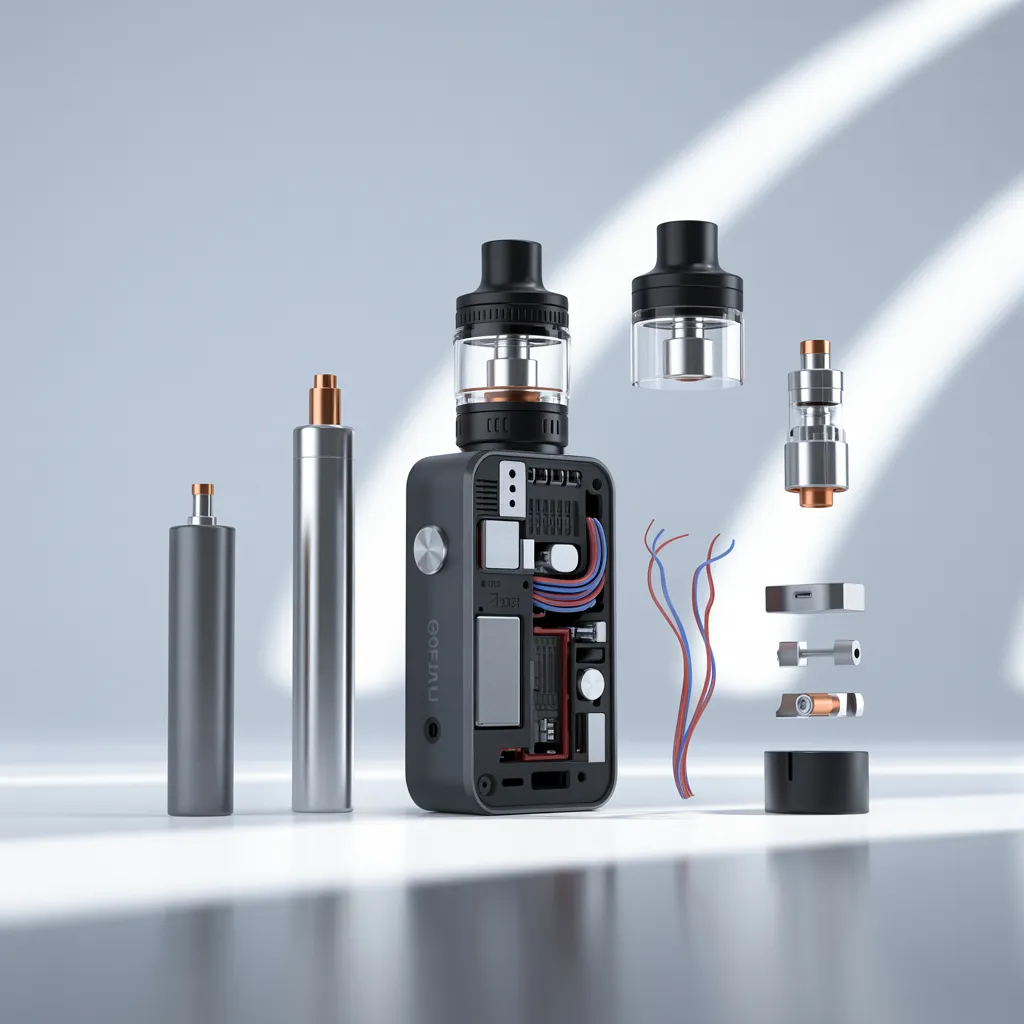
The Importance of Quality Control in Vape Manufacturing
Quality control is essential in e-cigarette manufacturing, maintaining safety standards and product consistency. The vaping industry has witnessed rapid growth, leading to increased scrutiny regarding product quality. Consumers expect reliable and safe devices, and any lapses can result in serious health risks. Quality control measures help identify defects early in the production process, reducing the likelihood of hazardous products reaching the market.
Additionally, meeting regulatory requirements is an essential part of vape manufacturing. Complying with strict standards shields manufacturers from legal consequences while building consumer confidence. Quality management also boosts brand credibility, as expertly produced items often foster customer allegiance and ongoing business. By carefully tracking components, manufacturing procedures, and finished products, manufacturers can sustain superior quality levels. This not only safeguards consumers but also supports the overall integrity of the vaping industry, ensuring that it can continue to thrive in a competitive market.
Critical Quality Control Methods Every Vape Manufacturer Needs to Implement
To ensure the best practices in vaping product production, establishing vital quality assurance protocols is imperative. Companies must develop a thorough quality assurance framework that includes routine inspections and operational assessments. This ensures adherence to established guidelines and regulatory requirements.
Additionally, employing structured standard procedures can optimize production workflows while limiting operational errors. Preparing team members on these procedures is essential for maintaining consistency and quality throughout the production cycle.
Regular equipment upkeep and calibration are equally vital to ensure that all machinery functions within established parameters. Periodic evaluations of the production environment aid in recognizing potential contamination threats, preserving product integrity.
In conclusion, keeping comprehensive records of all quality control measures is necessary for ensuring traceability and maintaining accountability. By adhering to these practices, vape manufacturers can strengthen product consistency, user safety, and market standing.
The Role of Ingredient Testing in Quality Control
Ingredient testing is a critical component of quality control in vape product development, ensuring the purity and safety of all components used. Multiple evaluation techniques and recognized benchmarks serve a vital function in evaluating the quality of ingredients. The purity of these materials directly influences product security, rendering thorough evaluation essential for safeguarding consumers.
Significance of Ingredient Purity
How critical is ingredient purity in the vape production process? Ingredient purity serves as a cornerstone for producing safe and high-quality vape products. Pollutants or impurities can detrimentally influence the flavor, safety, and complete user experience. Furthermore, the existence of unverified substances can create health risks, possibly leading to regulatory oversight and a decline in consumer trust. Manufacturers must prioritize sourcing high-quality ingredients to guarantee compliance with industry standards and consumer expectations. Thorough ingredient testing is required to confirm purity levels, offering a critical layer of quality assurance. By maintaining strict standards for ingredient purity, manufacturers can copyright product integrity and enhance their reputation in a competitive market, ultimately fostering consumer confidence.
Evaluation Methods and Standards
Effective testing methods and standards are essential for guaranteeing the quality and safety of vape ingredients. Rigorous analytical techniques, such as chromatographic and spectrometric analysis, are widely used to identify and quantify various components within vape liquids. These methods help detect impurities and guarantee that each ingredient meets established specifications. Furthermore, compliance with industry benchmarks, such as those established by the American Society for Testing and Materials (ASTM) or the International Organization for Standardization (ISO), strengthens the reliability of testing procedures. Standardized testing procedures not only boost product consistency but also cultivate consumer trust. By implementing stringent quality control measures, manufacturers can better guarantee that their products align with regulatory requirements and consumer expectations.
Influence on Product Safety
Guaranteeing the safety of products relies on rigorous material testing within vape manufacturing. This process involves evaluating every component, encompassing flavorings, nicotine, and base liquids, in order to detect dangerous compounds and ensure conformance with regulatory requirements. By conducting thorough testing, manufacturers are capable of detecting contaminants and validate the quality of components, a step that is critical for protecting consumers. Furthermore, component testing aids in maintaining uniform product standards, minimizing the risk of adverse health effects. Regulatory authorities commonly demand these evaluations as a component of quality assurance procedures, underscoring its significance within the vaping industry. In the end, comprehensive component testing not only protects public health but also enhances trust in vape manufacturing, creating a safer market environment.
How Quality Control Guarantees Flavor Consistency
Ensuring consistent flavor in vape manufacturing relies on thorough quality management procedures. Guaranteeing that each batch of e-liquid offers the same taste experience is essential for brand loyalty and customer satisfaction. The quality control process starts with the careful selection of ingredients, tracking their quality and procuring from dependable suppliers.
Throughout the fabrication process, regular testing is conducted to analyze flavor profiles, using methods like advanced chromatographic testing to assess molecular compositions. This permits production teams to identify any departures from established standards. Defined operational guidelines are put in place to oversee blending operations, maintaining exact measurements and mixing methods.
Moreover, sensory assessments are conducted by specialized panels who evaluate taste and aroma, delivering insights for modifications. By complying with strict quality control protocols, producers can steadily deliver high-quality flavored products, meeting consumer expectations and reinforcing their market position. Consequently, comprehensive quality control greatly shapes the entire vaping experience.
Understanding Vape Health Regulations?
Quality control in vape manufacturing goes beyond ensuring flavor consistency and also addresses compliance with health regulations that oversee the industry. Given that vaping products are subject to growing scrutiny, manufacturers must traverse a complex landscape of regional, federal, and global regulations. These regulations often dictate ingredient safety, labeling requirements, and manufacturing processes.
In order to comply, businesses must implement rigorous quality testing measures to guarantee that their items meet the designated regulatory standards. These requirements include checking for hazardous materials and validating nicotine levels. In addition, manufacturers must stay updated on evolving regulations, which can differ significantly by region.
Well-structured quality control systems aid in simplifying compliance, minimizing the likelihood of expensive recalls and legal complications. By prioritizing health regulations, vape producers not only safeguard consumers but also establish credibility in their brands. Consequently, navigating health regulations is a critical component of quality control in the vape industry, affecting the overall integrity of products and success in the marketplace.
What to Consider in Quality-Controlled Vape Brands
When examining carefully regulated vaping brands, shoppers should emphasize robust testing procedures and standards. Transparency in ingredient sourcing is equally important, as it reflects a brand's commitment to safety and quality. These elements are crucial for ensuring a reliable and satisfying vaping experience.
Testing Procedures and Standards
Ensuring the quality and reliability of vape products depends on comprehensive evaluation protocols. Well-regulated vape brands generally employ detailed evaluation procedures throughout the manufacturing process. These protocols often include systematic analysis for harmful ingredient detection, nicotine content, and flavor consistency. Third-party laboratories are regularly engaged to confirm findings, providing an independent assessment of product reliability and compliance. Furthermore, adherence to recognized regulatory guidelines, such as those established by ISO certifications or FDA regulations, is vital for trustworthiness. Brands that value accountability in their evaluation procedures tend to provide comprehensive documentation and analytical certifications. Consumers are encouraged to seek out these quality markers to ensure they select reliable and safe vape products.
Transparency in Ingredient Sourcing
The transparency of ingredient sourcing plays a fundamental role in the general quality control of vape products. Companies that emphasize this level of transparency supply transparent information about the provenance and discover the information standards of their ingredients, building consumer confidence. When reviewing e-cigarette brands, consumers should seek thorough disclosures about the procurement of primary elements, such as flavorings, e-liquids, and nicotine. Well-regarded producers regularly disclose details about their supply chain, including certifications, farming practices, and ingredient testing results. Furthermore, manufacturers that follow stringent regulatory guidelines commonly reflect a commitment to safety and quality. Through emphasizing ingredient sourcing transparency, consumers can make informed choices, ensuring they select products that meet high-quality standards and promote a more secure vaping experience.
Commonly Asked Questions
Which Certifications Should Vape Manufacturers Pursue for Quality Control?
Vape manufacturers ought to pursue qualifications such as ISO 9001 for quality management, GMP (Good Manufacturing Practices) to copyright safety standards, and CE marking for compliance with European regulations, making certain that products align with industry requirements and consumer safety demands.
How Does Quality Control Impact Production Costs?
Quality control directly influences production costs by ensuring consistent product quality, reducing waste and rework. Effective quality measures can lead to long-term savings, though initial investments may increase costs, ultimately enhancing brand reputation and customer satisfaction.
What Are Typical Quality Control Failures in Vape Manufacturing?
Common quality control failures in e-cigarette manufacturing include inconsistent nicotine levels, impurity of components, improper labeling, defective battery safety mechanisms, and insufficient leak-proof measures, all of which can compromise product safety and consumer trust.
How Frequently Should Quality Control Audits Be Performed?
Quality assurance audits should be conducted regularly, ideally quarterly, to maintain adherence and uniformity in manufacturing operations. Such a frequency enables the early recognition of concerns and ongoing enhancement in safety standards and product quality.
Which Technologies Support Vape Quality Control Processes?
Advancements such as mass spectrometry, gas chromatography, and automated inspection systems significantly improve vape product quality assurance procedures. Such technologies guarantee compliance with safety standards, accurate ingredient analysis, and production consistency, thus boosting product reliability.